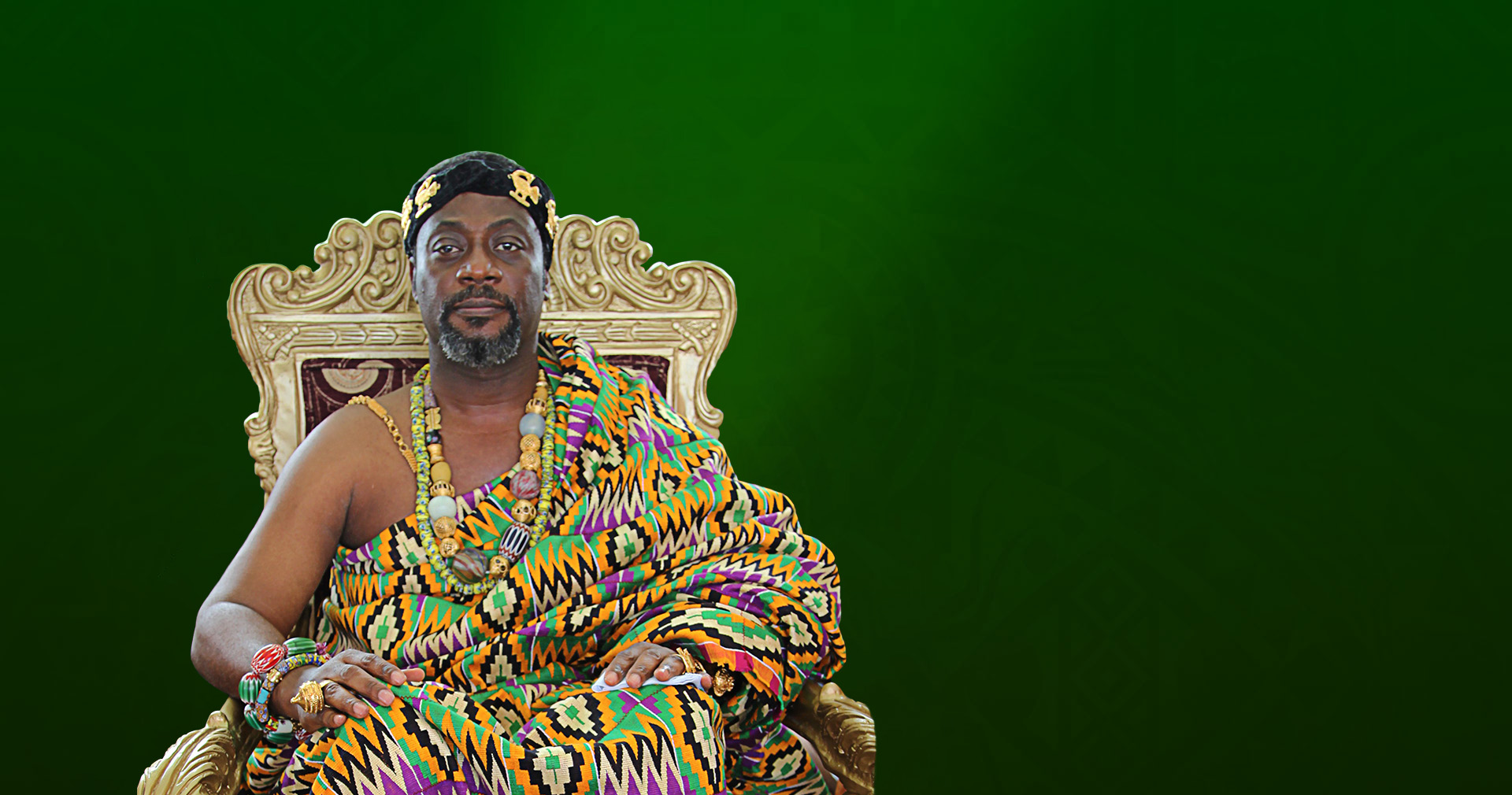
Drolor Adamtey
Ahoah V
A Kingdom Rooted on the Hills,
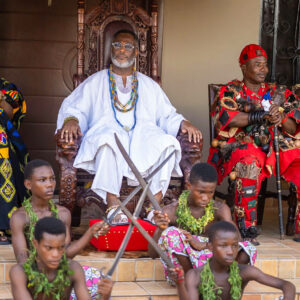
Welcome to the Shai Kingdom
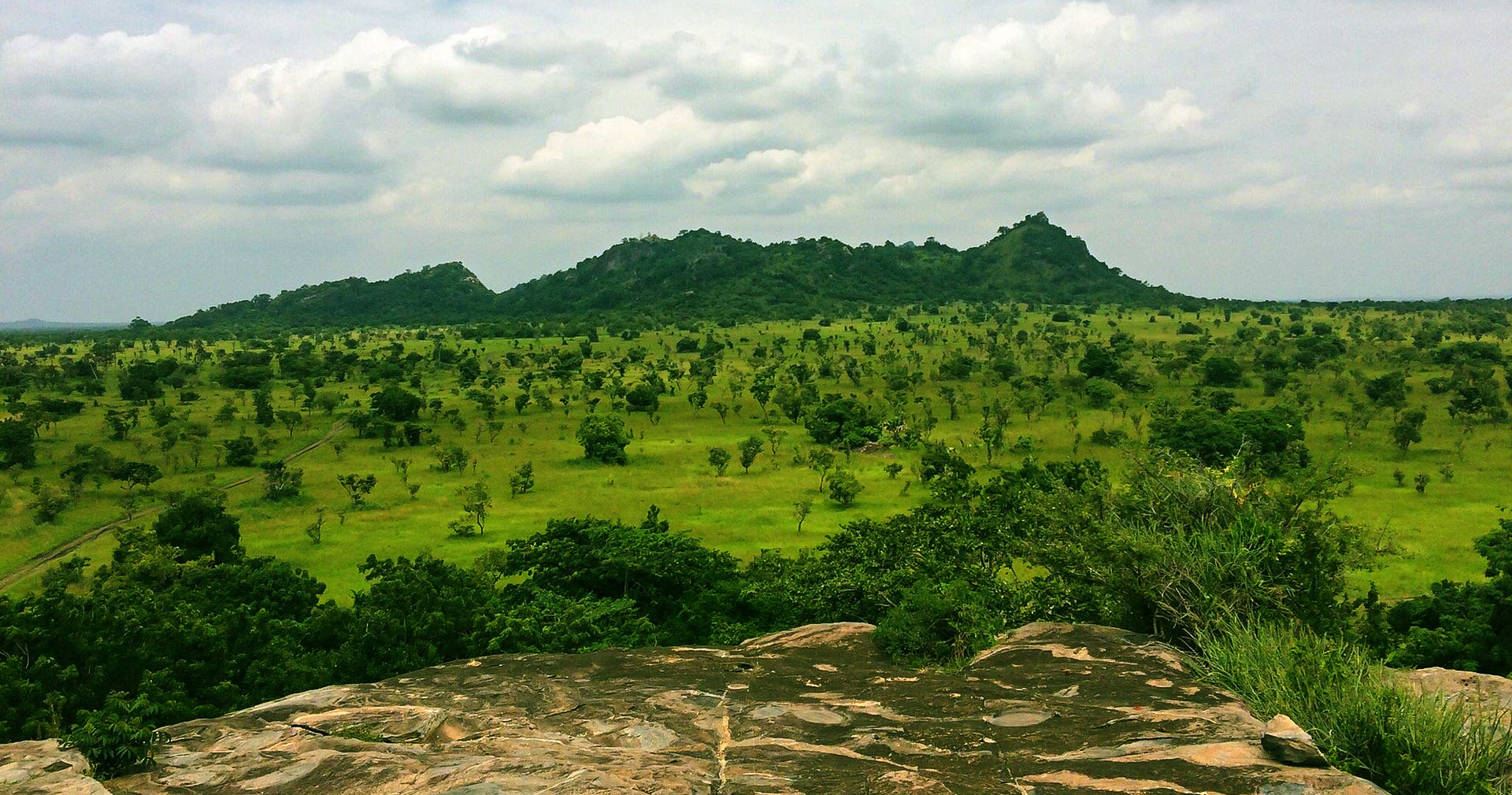
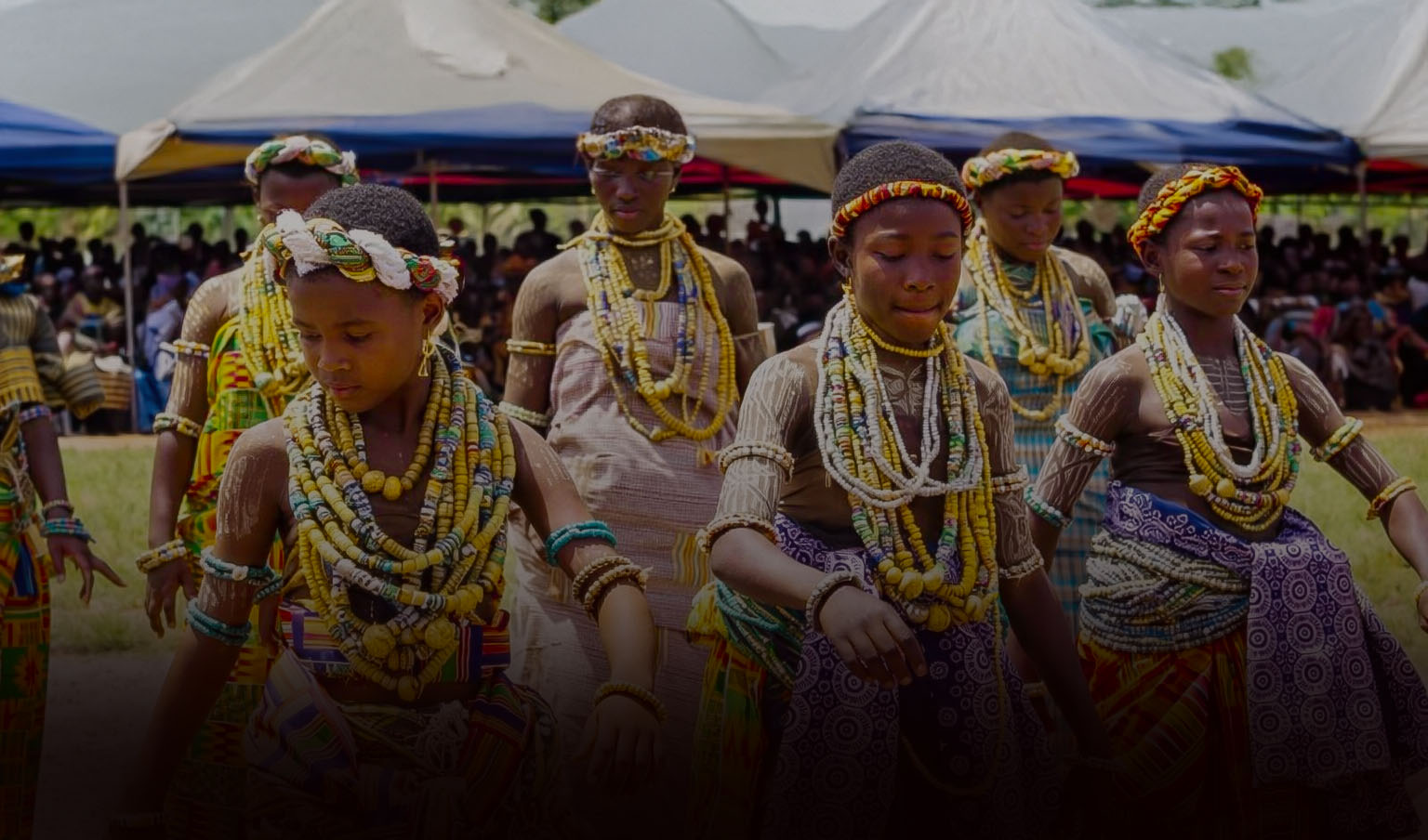
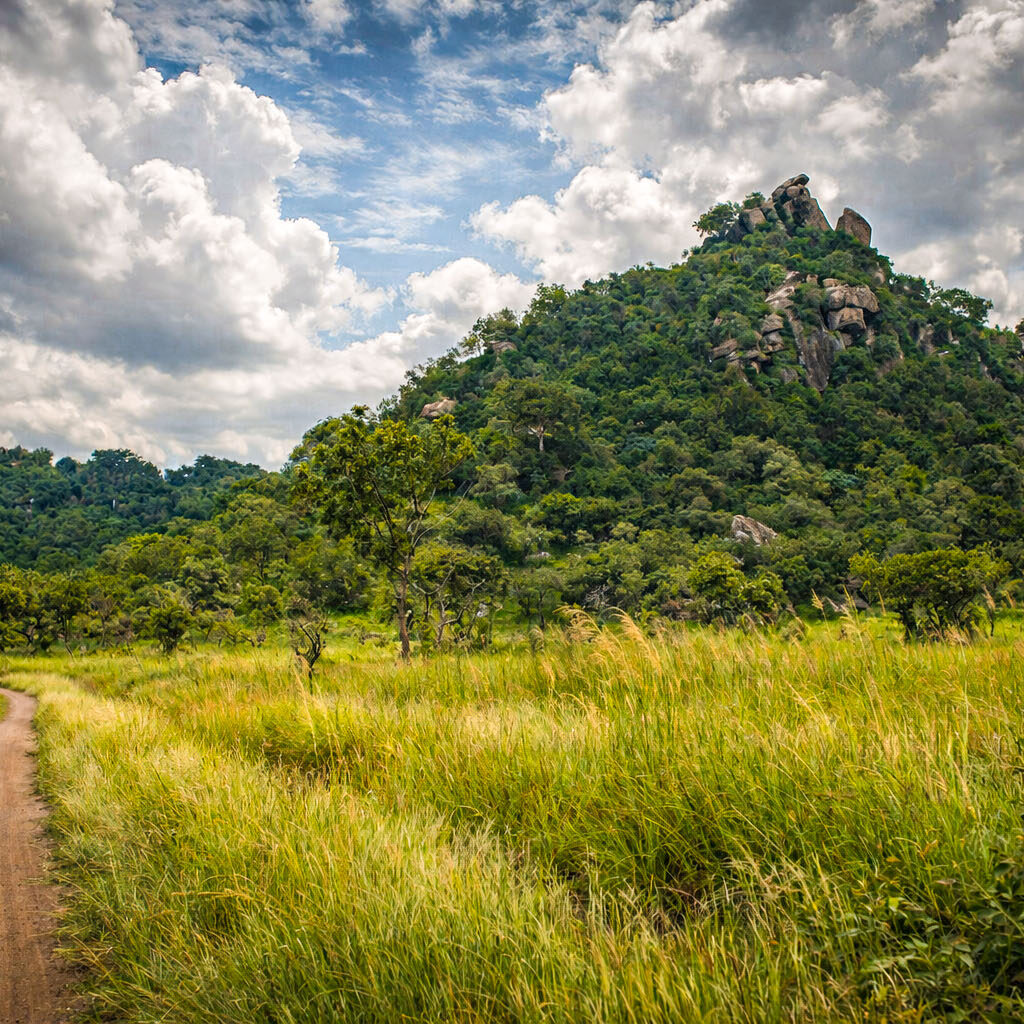
The Shai Kingdom is a historic and culturally rich traditional state situated in southeastern Ghana, within the present-day Shai-Osudoku District of the Greater Accra Region. Deeply rooted in centuries of heritage, the kingdom is home to the Shai people, a distinguished Dangme ethnic group renowned for their resilience, craftsmanship, and profound connection to the land. Framed by expansive savanna plains and the iconic Shai Hills, the kingdom represents a remarkable convergence of history, tradition, and natural beauty.
The Shai Kingdom stands as a powerful symbol of identity, unity, and cultural continuity. While firmly anchored in ancestral values and customs, the kingdom actively embraces modern development, education, and community advancement. This harmonious balance between tradition and progress ensures that the legacy of the Shai people remains vibrant, relevant, and enduring for generations to come.
The Shai Kingdom warmly welcomes all who seek to learn about its rich history, experience its living culture, and appreciate the enduring spirit and hospitality of its people.
Where the Hills Guard Our Heritage
Overview
Today, the Shai Kingdom is rapidly emerging as a strategic growth zone, driven by access to key infrastructure, the availability of vast tracts of land, and growing investor interest. The area is evolving into a well-planned rural–urban hub, offering diverse opportunities across agriculture, industry, real estate development, and eco-tourism. With a strong emphasis on sustainability, the Shai Kingdom presents a balanced development model aligned with national development objectives, attracting investors and stakeholders seeking both competitive economic returns and long-term social and environmental impact.
Shai-Osudoku is more than land, it is a legacy. It is a place where culture, people, and purpose converge to generate measurable economic and social value. The Shai Kingdom represents a unique intersection of cultural heritage and economic potential, fostering inclusive growth and building generational prosperity.

Background & Administration
Although the Shai Kingdom now falls within the administrative boundaries of the Shai-Osudoku District, it created in 2012 from the former Dangme West District, it continues to exercise its traditional authority and preserve its cultural institutions alongside the modern governance framework. The kingdom remains a central political and cultural force, serving as a unifying institution that sustains the identity, values, and cohesion of the Shai people.

Geography and Natural Setting
Covering approximately 721 square kilometers, the Shai Kingdom is the largest district by land area in the Greater Accra Region. Strategically located along the Tema–Akosombo Highway, the area enjoys excellent accessibility and growing infrastructure development. Home to vibrant communities that retain their rural charm, the kingdom is emerging as a dynamic eco-tourism and investment destination, where nature, culture, and commerce come together in sustainable harmony.

Population, Culture, and Livelihoods
Agriculture remains the backbone of livelihoods within the kingdom, with crop farming serving as the primary economic activity. This agricultural heritage sustains households and communities alike, reinforcing the people’s close relationship with the land and supporting the kingdom’s social and economic life.
Key Features and Heritage Sites of the Kingdom
The Shai Hills Resource Reserve, located within the kingdom’s traditional lands, holds deep historical and cultural significance while also serving as an ecologically important conservation area. Additional notable sites include the Chenku Waterfalls, the twin rocks, the Shai hills, Juapanya and the Dodowa Forest, both of which enrich the kingdom’s natural heritage and present opportunities for eco-tourism, environmental conservation, and cultural education.
Together, these features reflect the enduring legacy, environmental wealth, and contemporary relevance of the Shai Kingdom.