Asset Potential of the Sɛ (Shai) Kingdom
The Sɛ (Shai)–Osudoku Kingdom offers exceptional potential across multiple sectors, including land development, agriculture, real estate, conservation, quarrying, ethnomedicine, and culture-driven eco-tourism. With abundant land, strategic location, and growing infrastructure, the kingdom is emerging as a high-impact growth destination defined by scalability, sustainability, and long-term value creation.
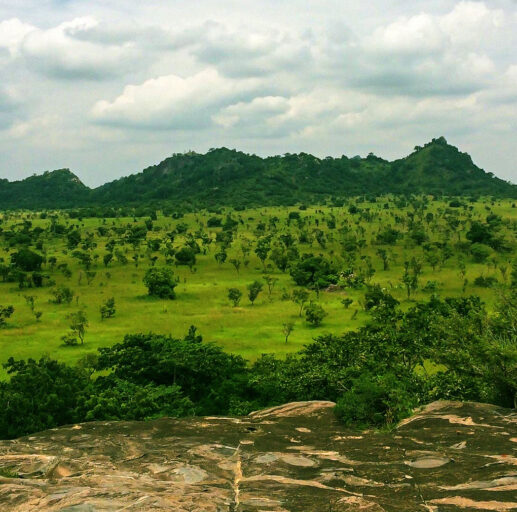
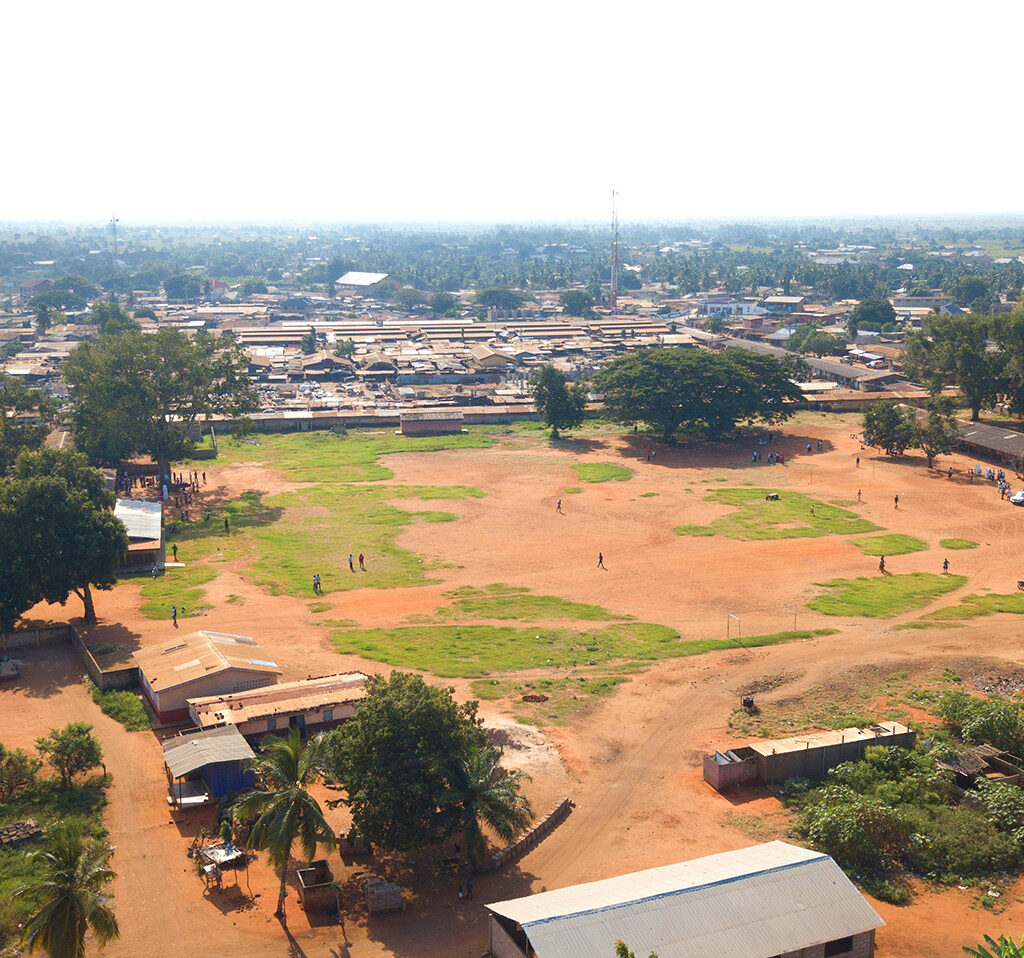
Covering approximately 721 km², the Sɛ (Shai) Kingdom is the largest district by land area in the Greater Accra Region and is strategically accessible via the Tema–Akosombo Highway. Its proximity to Accra and Tema positions it as a natural spillover zone for residential, industrial, and commercial expansion.
Sɛ (Shai) Kingdom potential - Sɛ (shai) Asset
Ethnomedicine
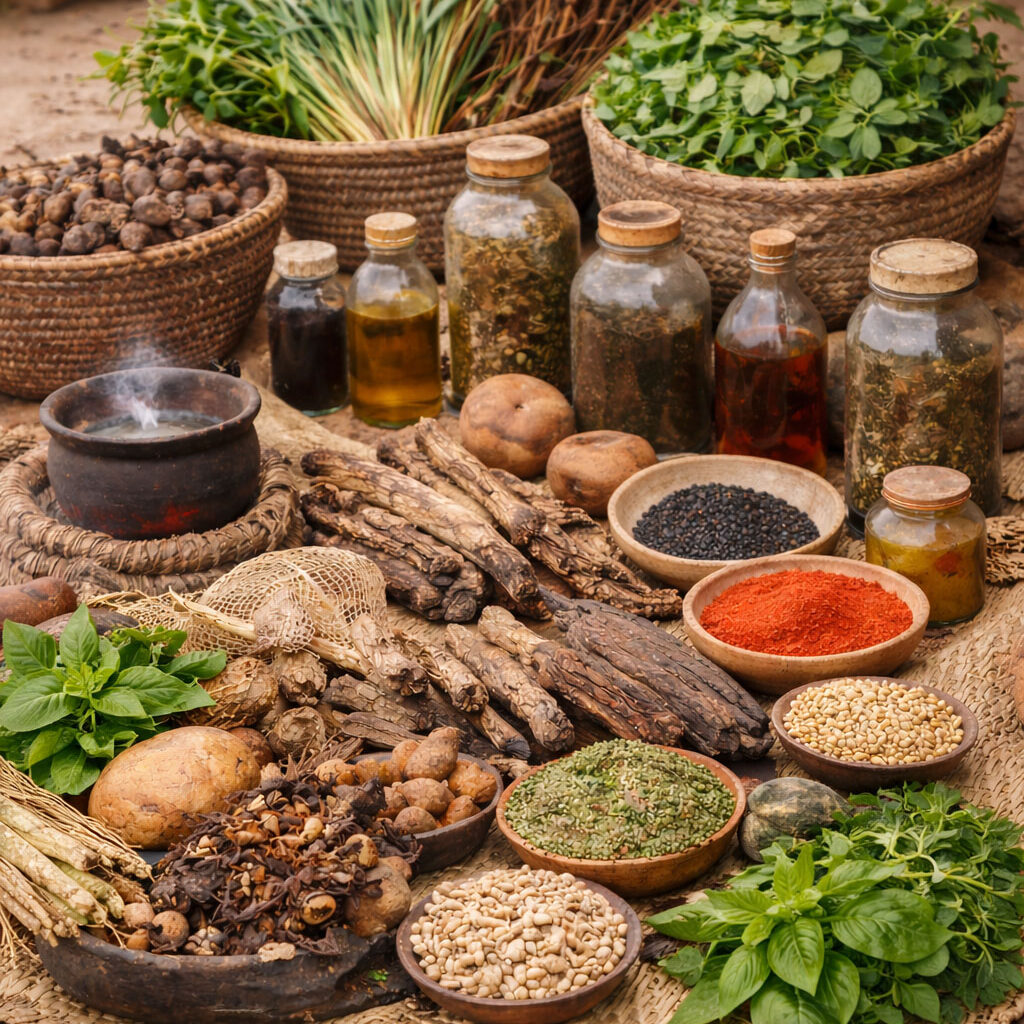
Ethnomedicine among the Sɛ(Shai) people of Ghana represents a long-standing system of healthcare rooted in indigenous knowledge, herbal science, spirituality, and communal practice. It has historically served as a primary source of health care, especially in rural areas, and remains culturally significant today.
Historical and archaeological evidence shows that Dangmeli, a city-state of fifteen Dangme settlements of which the Sɛ(Shai) kingdom are included, possessed a rich medical tradition shaped by local ecology and spiritual beliefs. Early European botanists Paul Erdmann Isert and Peter Thonning (1783–1802) documented over 700 plant species in Dangme land, many used for medicine. Notably, several of these plants, such as Hoslundia opposita and Thonningia sanguinea are still used today, demonstrating remarkable continuity of ethnomedical knowledge.
Ethno-archaeological studies in communities such as Se, Kodiabe, Doryumu, and Agomeda reveal the practical scope of Dangme ethnomedicine. About 30% of medicinal plants treat stomach disorders, 26% address fertility and pregnancy, 24% combat malaria, and 20% treat chronic and acute conditions such as hypertension, diabetes, epilepsy, and snakebites. Knowledge transmission occurs through apprenticeship, observation, and oral tradition, with herbalists and midwives playing central roles.
Colonial rule disrupted indigenous healing systems by marginalizing traditional medicine. However, ethnomedicine persisted and experienced revival in the postcolonial era due to cultural pride and limited access to biomedical care. Today, Dangme ethnomedicine functions both as a healthcare system and a cultural institution, reinforcing identity, social cohesion, environmental stewardship, and complementary use alongside modern medicine.
Despite its importance, Dangme ethnomedicine faces challenges including loss of knowledge, inadequate documentation, lack of formal recognition, intellectual property risks, and environmental degradation. In response, efforts are underway to document practices, promote scientific research, integrate traditional medicine into Ghana’s healthcare system, engage youth, and use digital technologies.
The future of Dangme ethnomedicine depends on sustainable conservation, training and certification of practitioners, policy integration, public education, and intergenerational knowledge transfer. Overall, Dangme ethnomedicine remains a living heritage and a valuable contributor to cultural continuity, biodiversity conservation, and global medical research.
Real Estate & Property Development
Available infrastructure includes electricity, water access, documented land titles, and planning approvals through the local assembly. Urban development emphasizes eco-friendly design, low-density planning, and green buffer zones.

Agriculture: Scalable and Investment-Ready
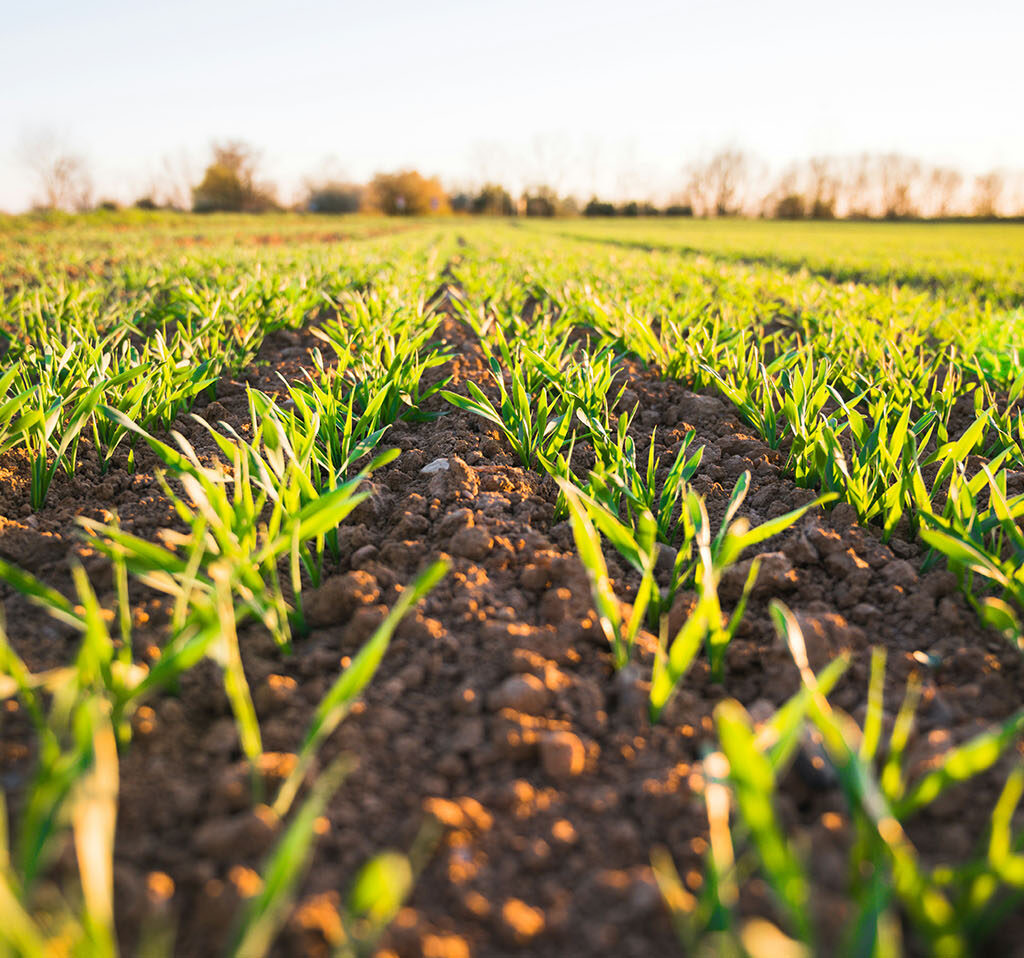
Investment opportunities span commercial crop farming, agro-processing, storage, logistics, and value addition, supported by proximity to Accra markets and Tema Port.
Land Assets & Strategic Location
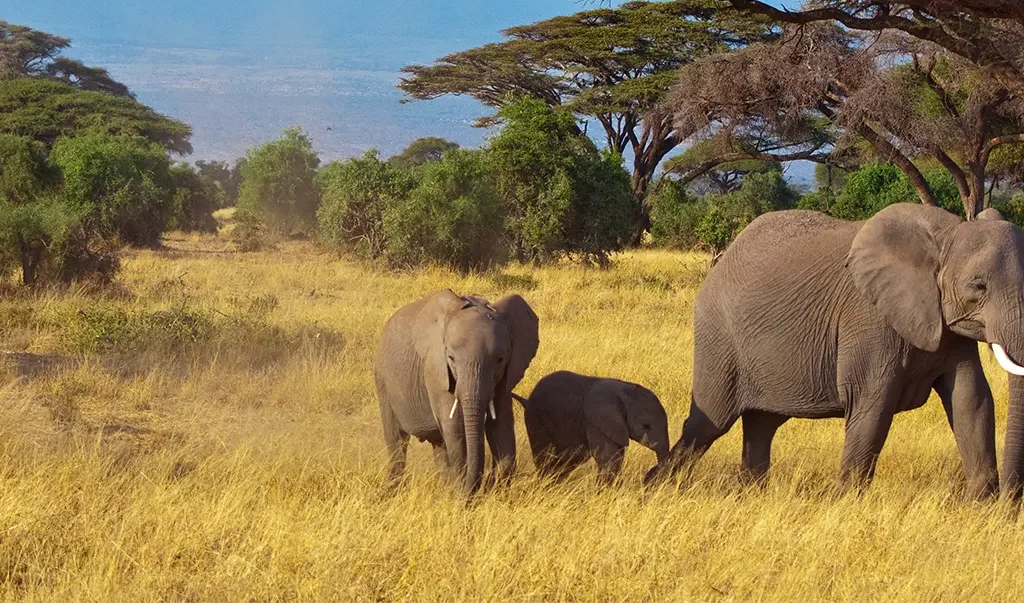
Conservation & Eco-Tourism
Opportunities exist for eco-lodges, guided tourism operations, conservation partnerships, and environmental education centers, offering a model where environmental preservation and economic returns go hand in hand.
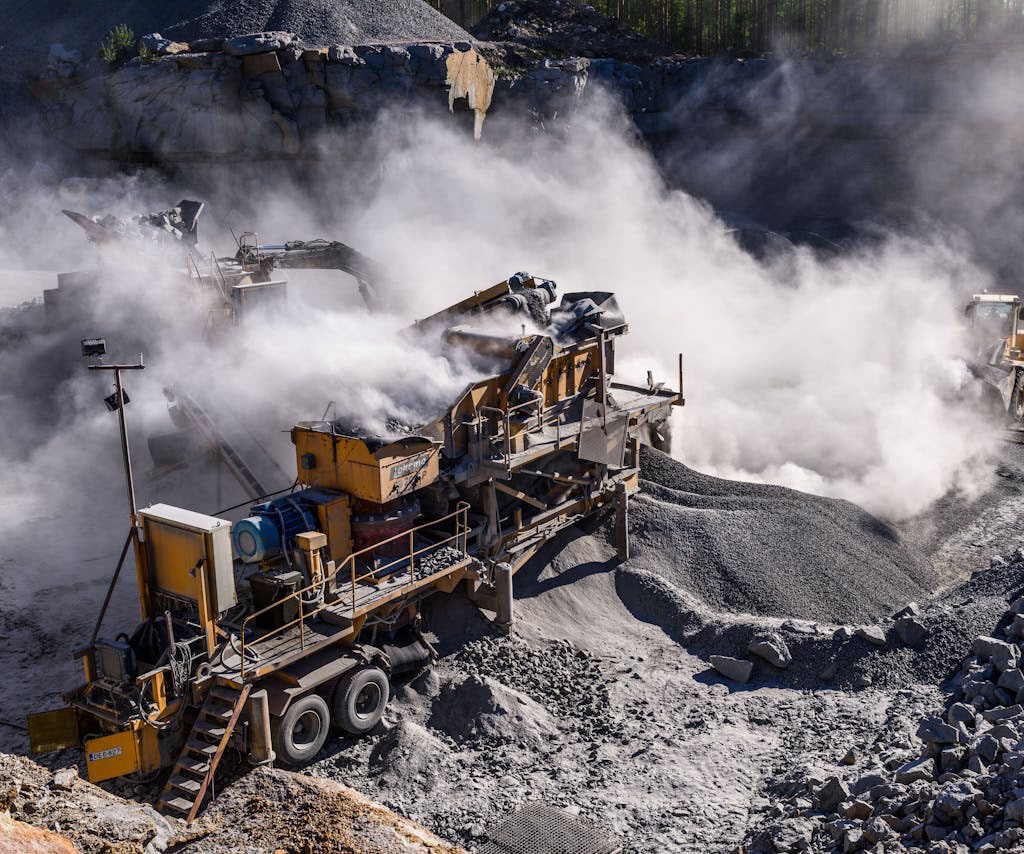
Quarrying & Natural Resources
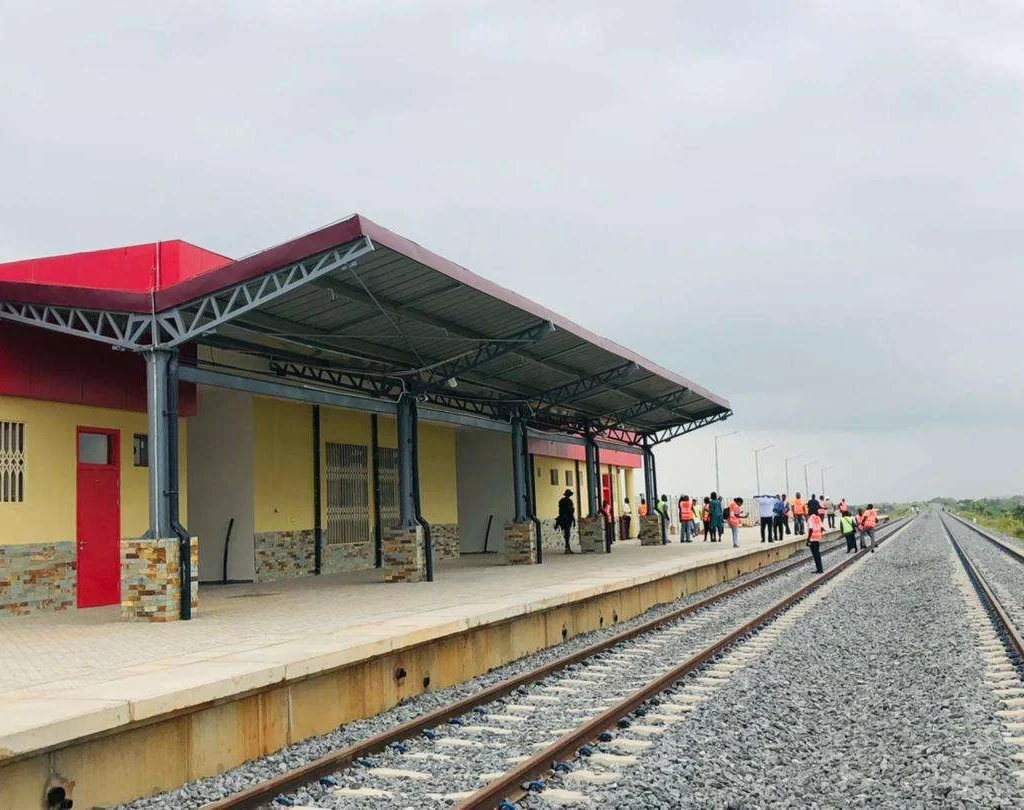
Infrastructure & Rail Connectivity
Planned transport-oriented development around rail stations presents opportunities for logistics hubs, industrial parks, retail centers, housing, and hospitality facilities.