The Throne that Guards, Governs and Leads

The Symbolic context of the Throne
The throne embodies:
• Sacred authority entrusted to the sovereign
• Cultural continuity preserved through lineage and tradition
• Spiritual unity between the Sɛ (Shai) people and their king
Its reverence reflects the deep cultural values, identity, and governance philosophy of the Sɛ (Shai) people.
The One Enthroned to Govern
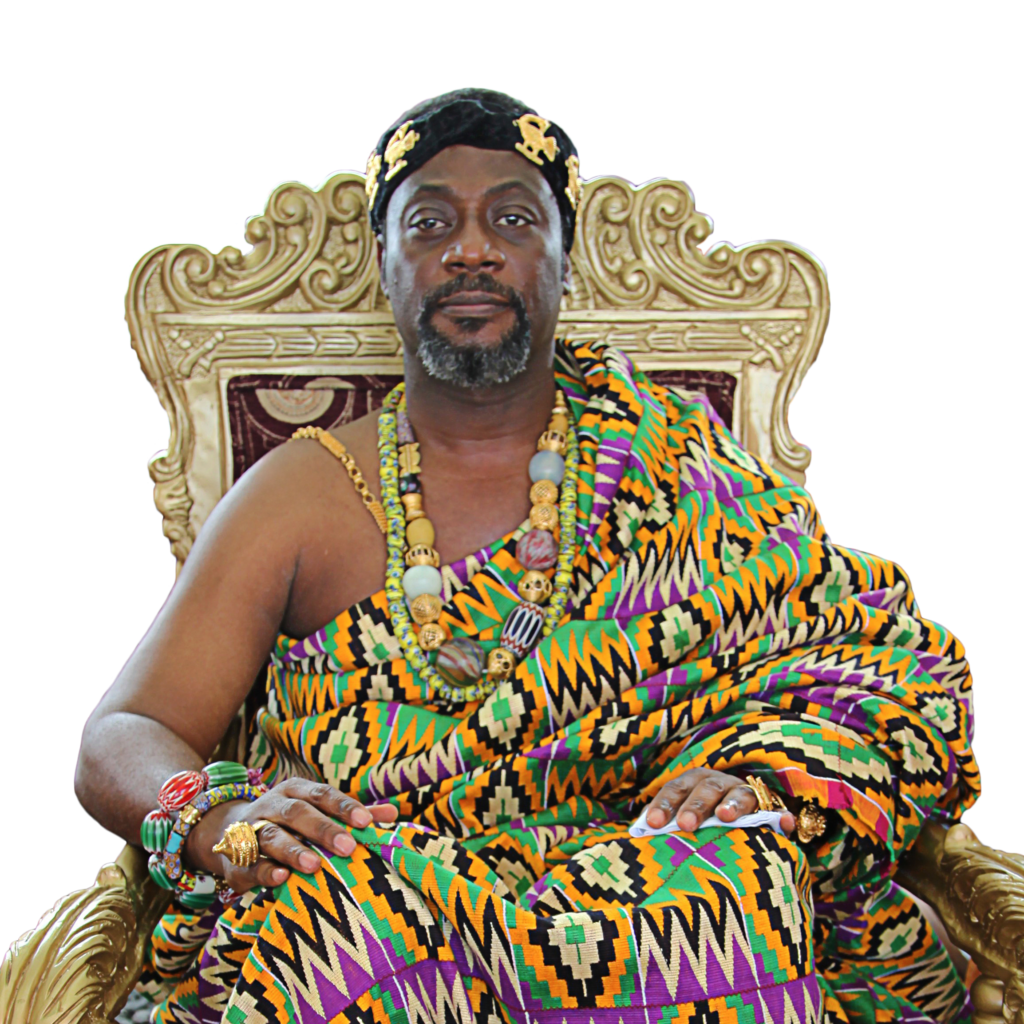
The Sɛ Matse (Paramount King)
The Sɛ Matse is both the paramount ruler and the spiritual authority of the kingdom. Far from being a ceremonial figure, the Sɛ Matse plays a central role as a custodian of land, culture, and people, and serves as a strategic development partner. Under his leadership, traditional authorities collaborate with local government, investors, and development partners to promote sustainable land use, cultural preservation, youth empowerment, education, and community-driven development.
Succession to the throne follows established customs preserved through oral tradition, reinforcing legitimacy, continuity, and ancestral authority.
Tradition Governs, Identity Endures!

Traditional Governance and the Sɛ (Shai) Kingdom
Traditionally, the kingdom is organized around three royal houses: Lekpedje, Heomerh, and Heowe, with the paramountcy residing in the Lekpedje House. This governance system emphasizes consensus, customary law, and collective responsibility, ensuring cultural continuity and social cohesion.